BODY ARCHIVE info/contact
19.09.–14.11.2026
Xenia Landolf![]()
![]()
07.08.– 12.09.2024
AMOSPHERE![]()
19.04.–01.06.2024
Beyond the Looking Glass![]()
![]()
07.06.20 – 12.07.20
HBSC IRL
Noëmi Ceresola
Stella
Esther Hunziker
![]()
19.09.–14.11.2026
Xenia Landolf

07.08.– 12.09.2024
AMOSPHERE
Beyond the Looking Glass
10.06 – 01.07.21
Same things make us laugh,
make us cry
![]()
18.07.20 – 12.08.20
Dorota Gawęda and
Eglė Kulbokaitė
Same things make us laugh,
make us cry
18.07.20 – 12.08.20
Dorota Gawęda and
Eglė Kulbokaitė
HBSC IRL
HBSC IRL
Noëmi Ceresola
Stella
Esther Hunziker
The Polish word gusła can be
loosely translated as “witchcraft.” Traditionally, the term encompasses a
diversity of practices and beliefs that transcend both the prescriptive
framework of religious morality and the positive absolutism of scientific
rationality. Besides representations in popular culture and critical surveys of
attested persecutions, witchcraft remains most manifest in the variety of
rituals and superstitions related to the evocation or conjuration of spirits on
account of their power over the living and nature. While witchcraft in the West
is habitually characterized by an ambivalent narrative of control and
repression from ecclesiastic and secular authorities alike, the history of
occultism in Eastern Europe often remains attached to the eerie tales of an
extant folk culture surviving through a syncretism of religion and pagan
traditions.
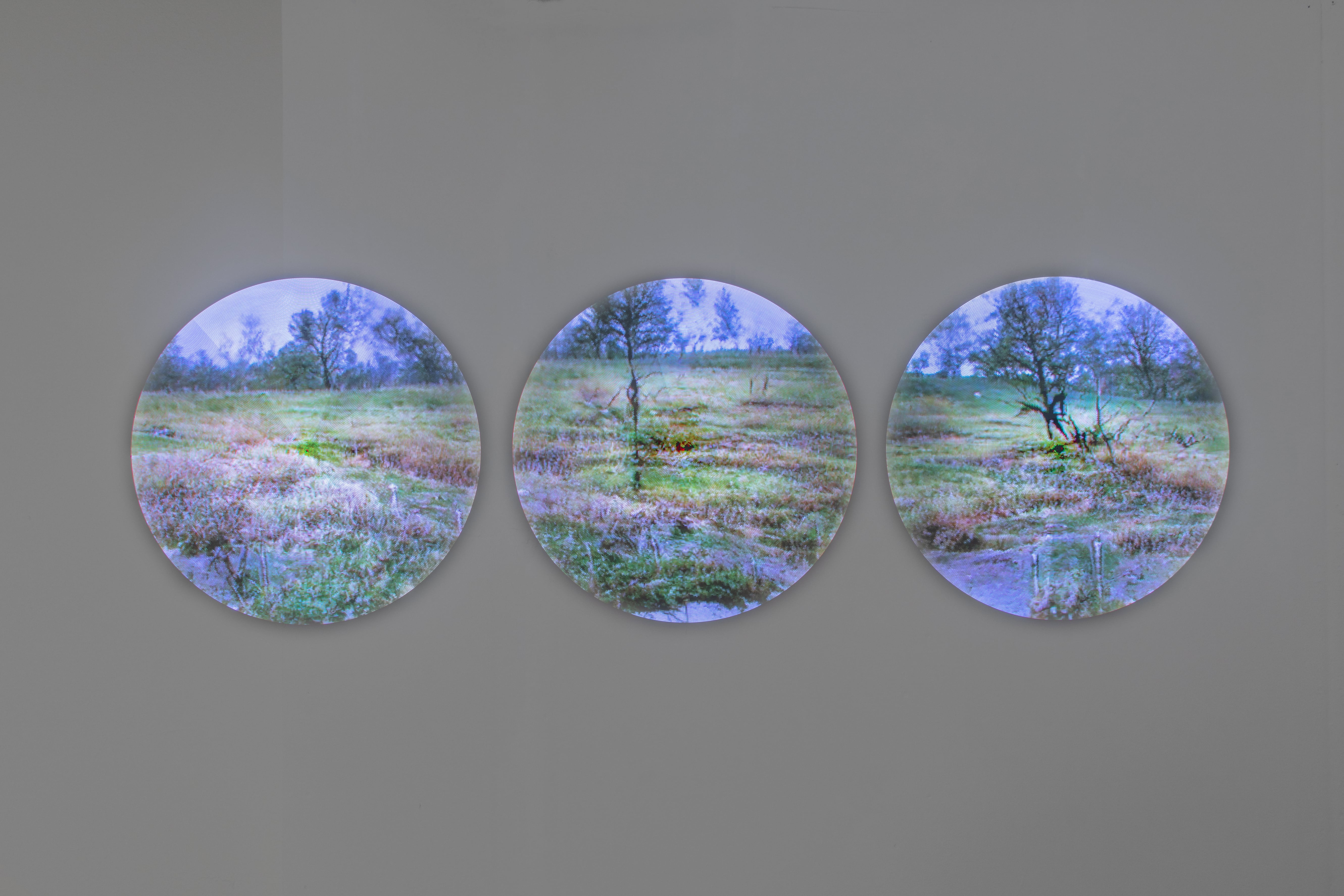
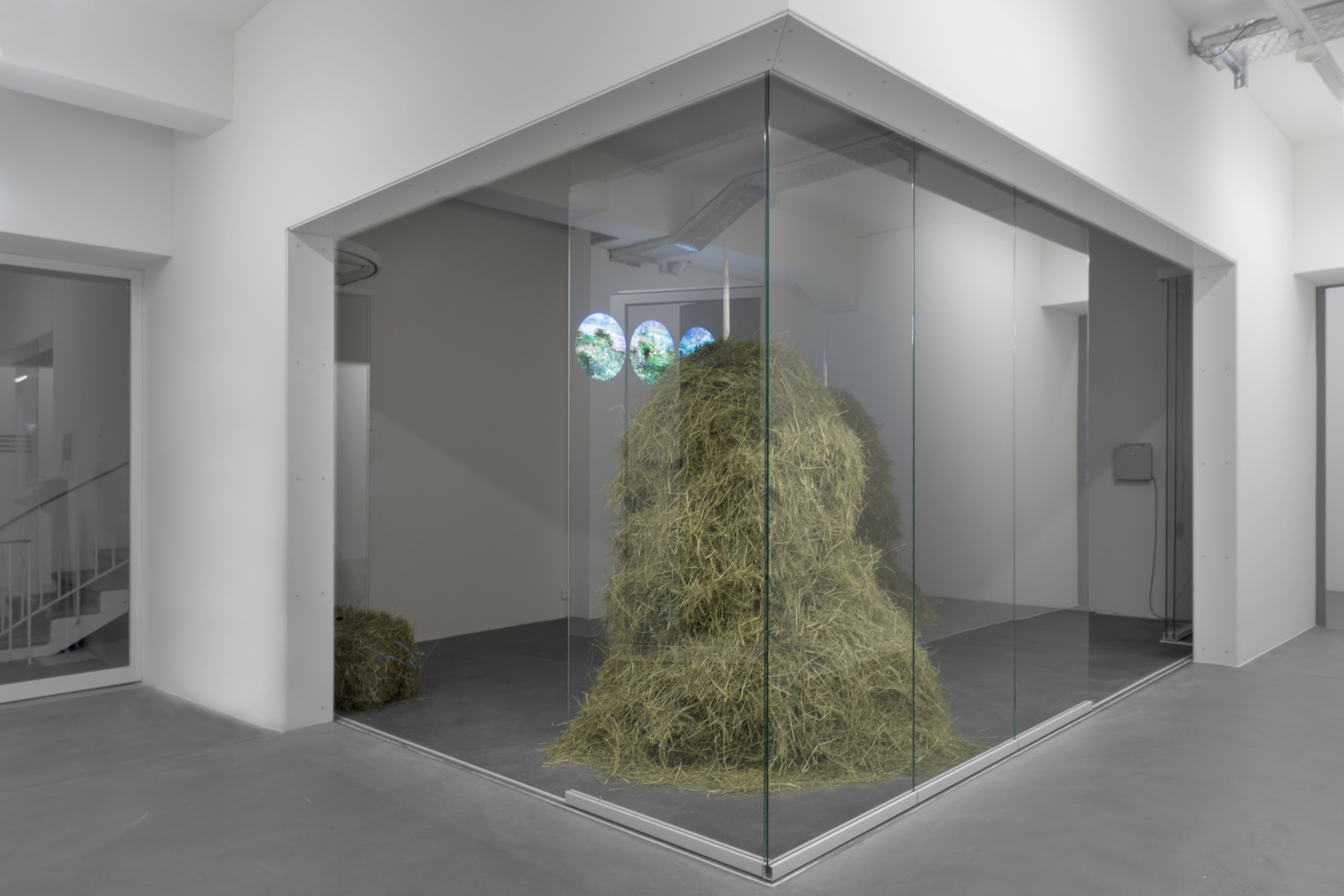
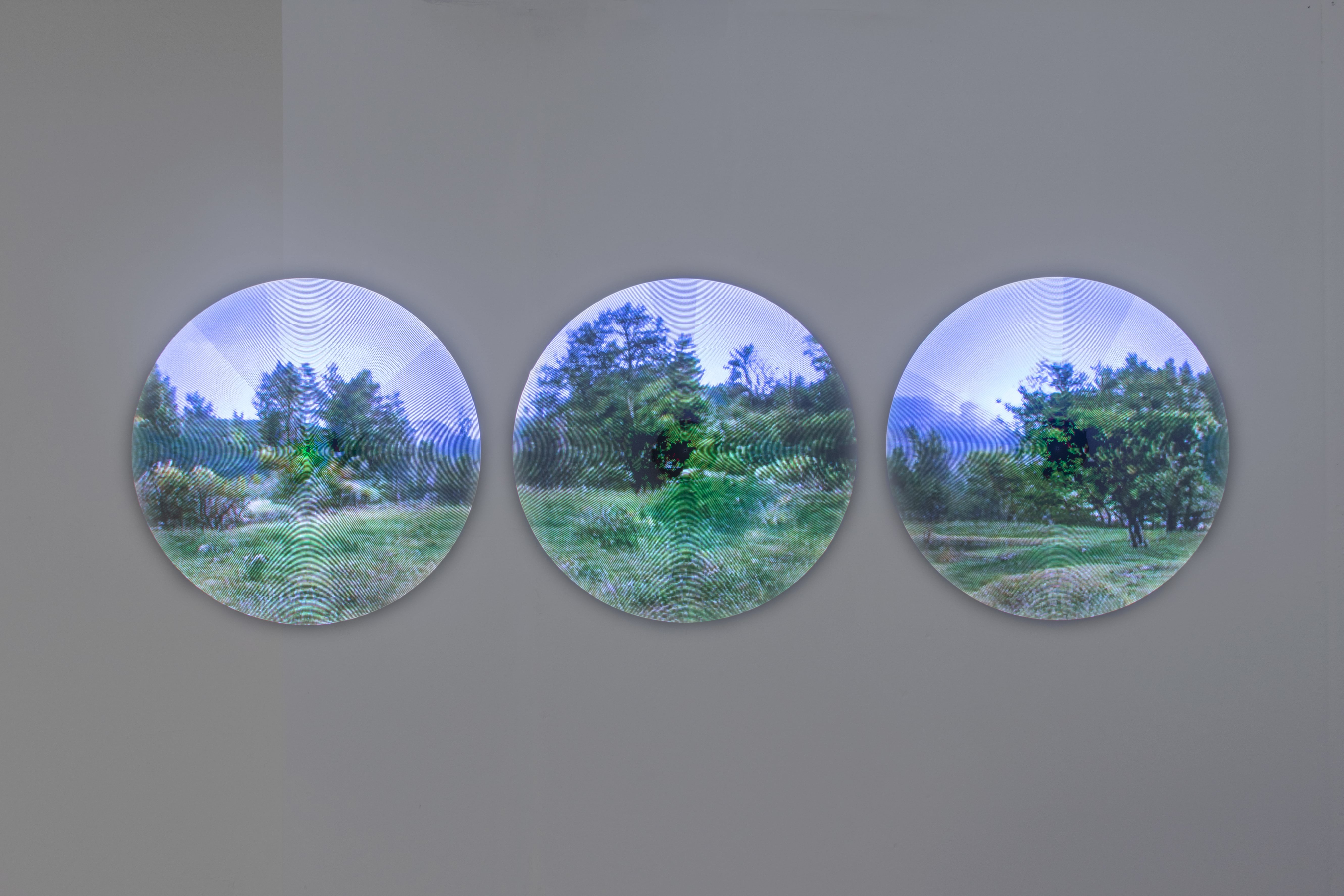
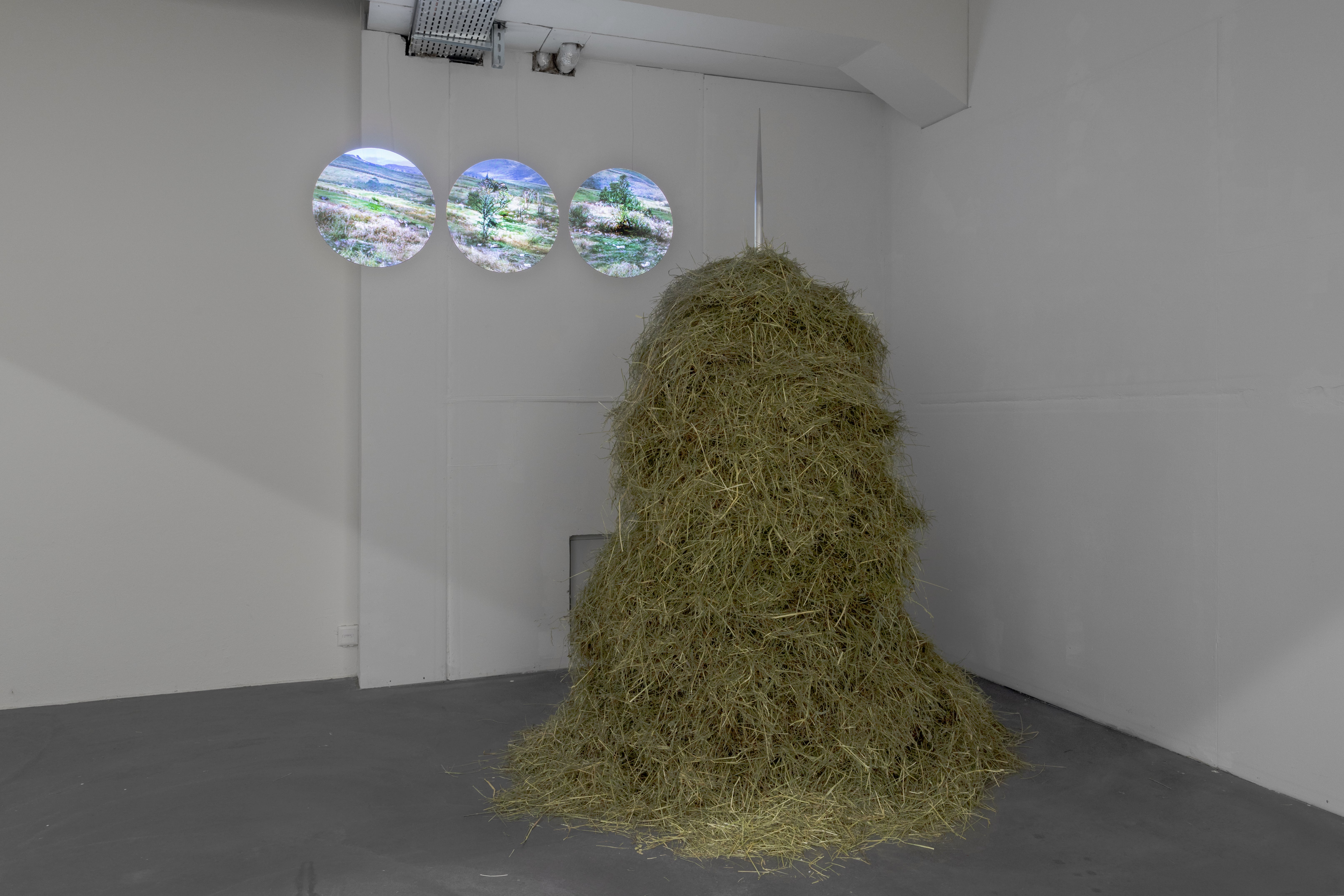
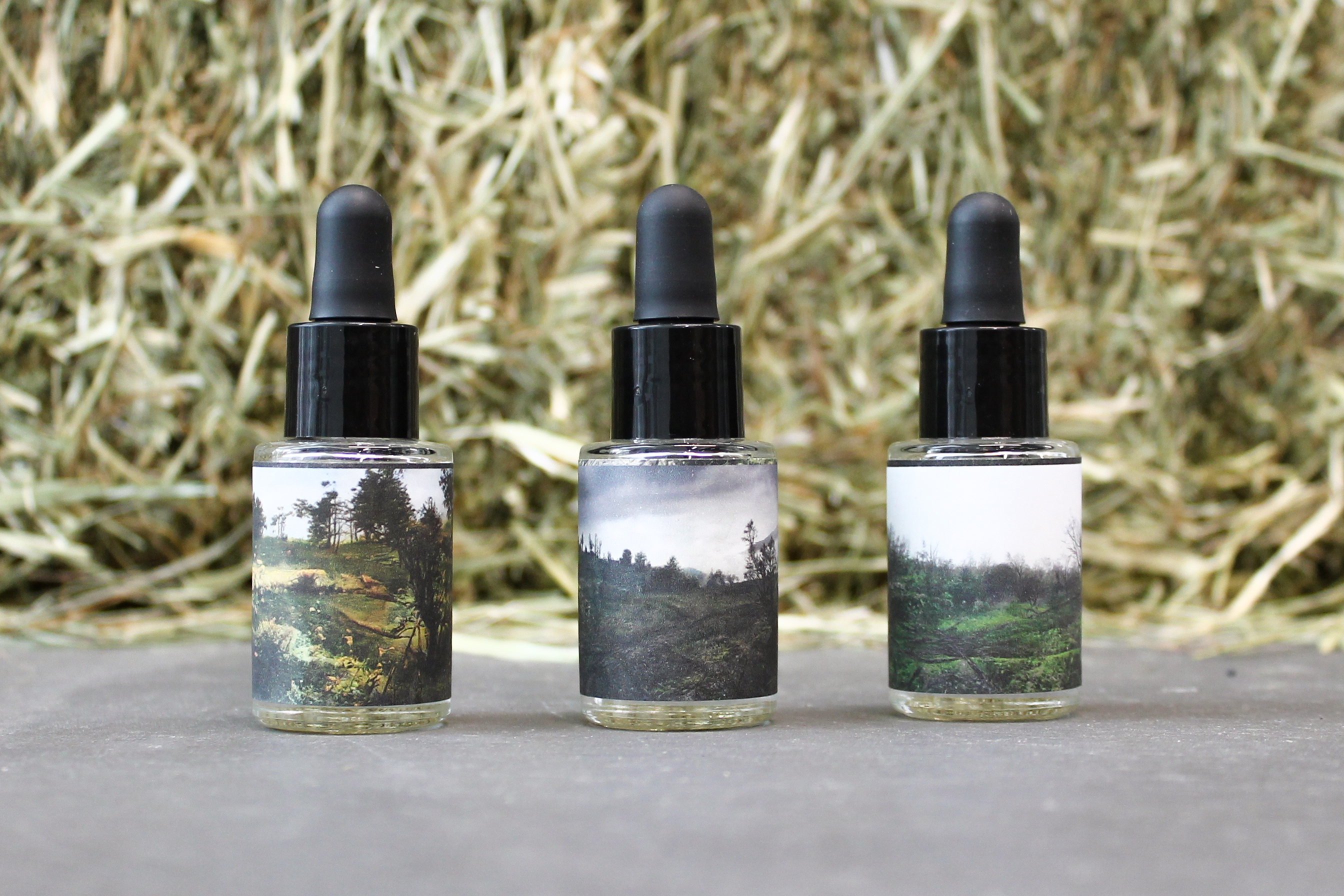
In their exhibition at Body Archive Project, artist duo Dorota Gawęda
and Eglė Kulbokaitė build up their current research about witchcraft as a
transcultural and transhistorical signifier across disciplinary, social,
geographic, and traditional boundaries. The multimedia body of work emerging
from their ongoing engagement with this polysemic subject matter
correspondingly represents as many fragments of an open narrative that seeks to
inhabit the gaps between these diverse—and at times antagonistic—discourses.
Within this multisensorial assemblage of triggers and implicit references to
rural folklore, spiritualism, and memory, the viewer is enjoined to play an
essential role in reconciling the heterogeneous components of a project at the
intersection between esotericism and science, folklore and technology, feminism
and ecology as well as cultural history and speculative fiction.